Digital marketing is a game-changer for businesses aiming to boost revenue. By leveraging online strategies (SEO, PPC, social media, email, content, etc.), companies can reach more of the right customers and convert them into paying clients. Unlike one-way print or TV ads, digital marketing lets you target specific audiences and measure results in real time. For example, studies show that content-driven strategies “allow you to reach more people, connect with the right audience, and build lasting trust”. The net effect is higher sales: by consistently attracting qualified leads and nurturing them online, your business sees increased website traffic, more conversions, and ultimately higher profits.
Table of Contents
Key ways digital marketing boosts revenue include:
- Greater Visibility: SEO and content marketing put your business atop search results. In fact, about 53% of all website traffic comes from organic search, so ranking well on Google brings a steady stream of free leads.
- Targeted Advertising: Paid ads let you reach buyers exactly when they’re looking. Google reports PPC ads earn roughly $2 back for every $1 spent (about a 200% ROI), turning ad budgets directly into revenue.
- High ROI Channels: Email campaigns are extremely cost-effective – sending emails typically returns about $36–40 for every $1 invested, as loyal customers respond to promotions and offers.
- Built-in Engagement: Social media platforms engage users where they spend their time. Over 93% of internet users are on social media, and 91% of businesses use social channels to market, amplifying brand awareness and driving traffic to your site.
- Optimized Conversions: Digital analytics allow you to fine-tune conversion paths. For example, the average online store converts under 2% of visitors, so even small improvements in site design or messaging can dramatically increase sales without more traffic.
These benefits add up: as you improve visibility and targeting, more visitors turn into leads and customers, directly lifting your revenue and profitability.
SEO – Attract Organic Traffic and Leads
Optimizing your website for search engines (SEO) is a foundational way to grow revenue. When your site ranks higher for relevant searches, you naturally attract people already looking to buy. For instance, about 53% of web traffic begins with organic search, meaning half of all visitors find businesses by searching Google. Good SEO not only brings volume but also quality: SEO-driven leads tend to have higher close rates (around 15% on average) because searchers are often ready to purchase.
Over time, publishing high-quality content and building authority compound your traffic. Companies that blog regularly see roughly 55% more website visitors and 434% more indexed pages, creating more opportunities for customers to find them. In short, SEO builds a sustainable stream of targeted traffic that continually feeds sales without ongoing ad spend.
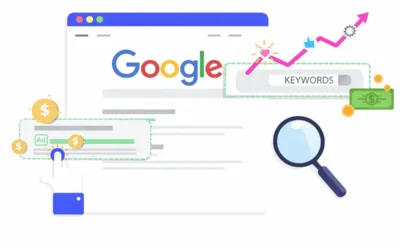
Pay-Per-Click (PPC) Advertising – Drive Targeted Traffic Now
Pay-per-click (PPC) campaigns (e.g., Google Ads, Facebook Ads) let you reach potential buyers instantly. By bidding on keywords or demographics, your ads appear in front of users who are likely to convert. PPC can provide an immediate traffic boost and strong ROI – for example, Google reports that businesses earn about $2 back for every $1 spent on search ads. Because PPC traffic tends to be highly motivated, it converts well: one study found that visitors from targeted ads have roughly a 50% higher conversion rate than organic visitors.
You can also scale PPC spend up or down to match demand and adjust targeting in real-time. In practice, a well-optimized PPC campaign drives hot leads to your site, quickly growing sales volume (as long as your ads and landing pages are conversion-optimized).
Email Marketing – Engage and Retain Customers
Email marketing turns one-time buyers into repeat customers, increasing lifetime revenue. By sending newsletters, offers, and personalized follow-ups, you keep your brand top-of-mind and encourage people to purchase again. This channel is exceptionally efficient: on average, email marketing returns about $36–$40 for every $1 spent, one of the highest ROIs of any marketing channel.
For example, post-purchase emails or abandoned-cart reminders can reclaim sales that might otherwise be lost. Segmenting your mailing list lets you send tailored messages (such as loyalty offers to past customers or welcome series for new subscribers), which boosts open rates and conversions. In practice, an automated email strategy can reliably drive repeat orders and upsells, steadily adding to your revenue without high cost.
Social Media Marketing – Reach and Influence Customers
Social media platforms (Facebook, Instagram, LinkedIn, TikTok, etc.) help businesses expand reach and build brand awareness. Nearly all customers use social networks in their daily lives (93% of internet users), so active social campaigns put your company in front of a broad audience. More than 90% of businesses already leverage social marketing to drive traffic and engagement.
On social media, you can run targeted ads (for example, based on location, interests, or behavior) that bring interested users to your website or landing pages. You can also build loyalty by sharing valuable content, running promotions, and interacting with followers. For instance, a hotel can use Instagram to showcase experiences and target tourists, or a B2B service provider might use LinkedIn to share case studies. Well-run social media campaigns boost traffic, improve customer trust, and ultimately increase sales from both new and existing customers.
Content Marketing – Build Authority and Trust
Content marketing (blogs, videos, e-books, webinars, etc.) fuels many other channels by giving users reasons to visit and engage. High-quality content establishes your expertise and attracts inbound leads over time. Businesses that regularly publish blog posts see about 55% more website traffic, as fresh content improves SEO and gives potential customers helpful information.
Moreover, content amplifies your brand: companies that blog have 434% more indexed pages, meaning more opportunities to rank for search terms and drive organic traffic. Content can also nurture leads – a helpful guide or video can convert curious visitors into email subscribers or customers. In the long run, each piece of content you create continues to attract readers and leads, so your investment in content keeps generating traffic and sales long after it’s published.

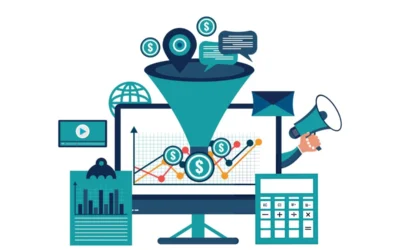
Conversion Rate Optimization – Convert More Visitors to Buyers
Getting more revenue isn’t just about traffic – it’s about converting the traffic you have. Conversion Rate Optimization (CRO) is the practice of improving your website and marketing funnels so that a higher percentage of visitors become customers. Analytics and A/B testing reveal which headlines, images, or buttons drive sales. Since the average e-commerce site converts under 2%, even small improvements to your site can yield large revenue gains.
For example, making a checkout process simpler or adding clearer call-to-action buttons can boost conversions dramatically. In fact, targeted traffic from ads already converts about 50% better than general traffic; combining this with optimized landing pages means a much higher percentage of ad clicks turn into sales. In practice, CRO helps you maximize profit from each visitor – so as your traffic grows from SEO or ads, your profits grow even faster.
Conclusion: Long-Term Profitability with Digital Marketing
Digital marketing delivers sustained revenue growth by compounding over time. Each strategy – SEO, PPC, social, email, content, CRO – works together to attract, engage, and convert customers. Analytics let you track exactly which channels drive sales and double down on them. As one expert notes, online marketing enables businesses to “stand out in a crowded marketplace, and grow constantly without spending too much money”. In other words, your profits keep rising as you refine and scale your digital campaigns. The sooner you start, the sooner you’ll see results: investing in digital marketing is one of the most effective ways to increase business revenue in the long run.
Are you ready to grow your revenue? Start your digital marketing strategy today – whether it’s enhancing your SEO, launching targeted ads, engaging on social media, or improving your website’s conversions – and watch your sales and profits climb.
Frequently Asked Questions (FAQs)
Why is digital marketing important for business growth?
Digital marketing is important because it allows businesses to reach customers online, where most buying decisions start. It provides measurable results, better audience targeting, and higher ROI compared to traditional marketing. This leads to consistent revenue growth and long-term profitability.
Which digital marketing strategy generates the most revenue?
There is no single best strategy. SEO drives long-term organic traffic, PPC delivers fast results, email marketing increases customer retention, and social media builds brand awareness. Businesses that combine multiple digital marketing channels usually generate the highest revenue.
How does SEO help increase sales and revenue?
SEO helps increase revenue by improving search engine rankings and driving organic traffic from high-intent users. When your website appears on the first page of Google, more potential customers find your business, trust your brand, and convert into leads or sales.
Is digital marketing cost-effective for small and medium businesses?
Yes, digital marketing is highly cost-effective. Businesses can control budgets, target specific audiences, and track performance in real time. Channels like content marketing and email marketing offer high ROI and help small businesses compete with larger brands.
How long does digital marketing take to show results?
Paid advertising and social media campaigns can show results within weeks. SEO and content marketing usually take three to six months to deliver strong results. However, long-term digital marketing strategies create sustainable revenue growth.
How does digital marketing improve conversion rates?
Digital marketing improves conversion rates through data-driven optimization. Businesses use analytics, A/B testing, and user behavior insights to improve landing pages, calls to action, and sales funnels. This helps convert more visitors into customers.
Can digital marketing help increase customer lifetime value?
Yes, digital marketing increases customer lifetime value through email marketing, remarketing, and personalized campaigns. These strategies encourage repeat purchases, upselling, and long-term customer relationships, which increase overall revenue.
How can businesses measure digital marketing ROI?
Businesses measure digital marketing ROI using tools like Google Analytics and CRM platforms. Key metrics include website traffic, lead generation, conversion rate, cost per acquisition, and revenue from each marketing channel.
Is digital marketing suitable for all types of businesses?
Yes, digital marketing works for all businesses, including e-commerce, B2B services, hospitality, startups, and local companies. Every business benefits from increased online visibility, targeted marketing, and data-driven revenue growth.